If you want dependable backup power without the maintenance of gas, a portable solar generator with LiFePO4 battery is one of the smartest options in 2026. These systems combine long cycle life, safer chemistry, and solar charging in a package you can use at home or on the go.
In this roundup, we focus on models that balance battery capacity, output, charging speed, and real-world portability so you can find the right fit faster.
Best 10 Portable Solar Generator with LiFePO4 Battery Picks for 2026
EcoFlow Fast-Backup Pick

- 1800W output, 3600W surge
- 45-minute AC fast charging
- 220W solar panel included
Best For: Home backup and camping
Jackery Whole-Home Backup Pick
HomePower 3000 Solar Generator

- 3600W output, 3072Wh capacity
- ≤20ms UPS for sensitive electronics
- Includes 2x 200W solar panels
Best For: Home outage backup and RV use
Jackery Lightweight Travel Pick
Explorer 1000 v2 Solar Generator

- 1,500W output with 3,000W surge
- 23.8 lb portable build
- 1-hour emergency charging mode
Best For: Camping, travel, and light backup
Anker Compact Travel Pick

- 288Wh capacity, 300W output
- 60W solar panel included
- 80% recharge in 50 minutes
Best For: Phones, travel, and light camping
Ultra-Fast Home Backup Pick
EF ECOFLOW DELTA 2 1024Wh LiFePO4 Solar Generator

- 0-80% charge in 50 minutes with AC input
- Expandable from 1kWh to 3kWh
- 1800W output with 15 outlets
Best For: Fast-charging backup power and expandable off-grid use
Compact UPS Backup Choice
LIBRIDS C600 640Wh LiFePO4 Solar Generator

- 10ms UPS for outage protection
- 1.5-hour fast AC charging
- 4000+ cycle LiFePO4 battery
Best For: Essential backup power for routers, CPAPs, and light loads
Lightweight All-in-One Kit
Jackery Solar Generator 1000 v2 with 200W Panel

- Includes 200W solar panel
- 1500W AC output with 3000W surge
- 23.8 lb build with LFP battery
Best For: Portable solar charging for camping, RVs, and emergencies
Premium High-Capacity Home Backup
Jackery Explorer 2000 v2 2042Wh LiFePO4

- 2042Wh capacity with 2200W output
- LiFePO4 battery rated for up to 10 years
- Fast AC charging and under-30dB silent mode
Best For: home backup and camping users who want high capacity with quiet operation
Compact Budget Backup
DaranEner 192Wh LiFePO4 Portable Power Station

- 192Wh capacity with 300W pure sine wave output
- 5.73-lb design with built-in LED light
- LiFePO4 battery with 3500+ cycles and BMS protection
Best For: light-duty emergency power and travel
Fast-Charging Mid-Size Backup
EcoFlow DELTA 3 Classic 1024Wh LiFePO4
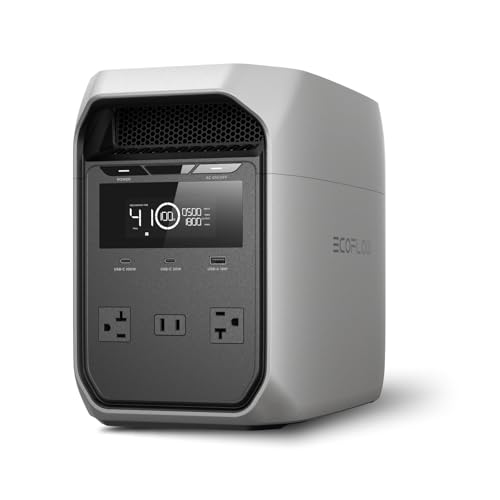
- 1024Wh LiFePO4 battery with 1800W output
- 0 to 80% AC charging in 45 minutes
- <10ms UPS switching for sensitive devices
Best For: fast-charging everyday backup and RV power
EcoFlow Fast-Backup Pick – DELTA 3 Classic Solar Kit
If you want a portable solar generator with LiFePO4 battery support that can cover both backup and outdoor use, the EcoFlow DELTA 3 Classic is built around speed and everyday reliability. Its 1800W output, 3600W surge, and included 220W solar panel make it a practical choice for running common home devices, topping up fast, and getting back to power quickly when the sun is available.
Best For: Home backup, camping, and RV users who want fast charging and a solar-ready all-in-one kit.
Pros:
- 1800W output with 3600W surge handles essentials like refrigerators, microwaves, laptops, and more.
- LiFePO4 battery cells are rated for 10+ years of daily use, with a smart Battery Management System.
- 0–80% recharge in 45 minutes with AC charging for very fast turnaround.
- 220W bifacial solar panel can recharge the system in 5.8 hours under good sun.
Cons:
- Solar panel and power station may arrive separately.
- Expandable performance depends on X-Boost conditions and load type.
Overall, this is a strong pick if speed matters and you want a solar generator that’s ready for home outages or trips without feeling oversized.
Jackery Whole-Home Backup Pick – HomePower 3000 Solar Generator
The Jackery HomePower 3000 is a portable solar generator with LiFePO4 battery capacity aimed squarely at serious backup needs. With 3600W output, 3072Wh capacity, and two 200W solar panels included, it’s designed for keeping major household essentials running through outages while still being useful for RV and emergency use.
Best For: Households that want high-capacity backup power with UPS protection and solar charging.
Pros:
- 3600W output and 3072Wh capacity can power fridges, lights, WiFi routers, fans, and more.
- UL-certified UPS switches within ≤20ms for sensitive devices like cameras and medical refrigerators.
- LiFePO4 batteries are rated for 4,000 cycles while retaining 70% capacity.
- Includes dual 200W solar panels and supports hybrid AC/DC or AC charging.
Cons:
- At 59.52 pounds, it’s not the easiest option to move frequently.
- Solar recharge time is slower than its AC recharge options.
This is the kind of solar generator that makes sense when backup reliability matters more than compact size, especially for home outage preparedness.
Jackery Lightweight Travel Pick – Explorer 1000 v2 Solar Generator
If you want a portable solar generator with LiFePO4 battery performance without carrying a bulky unit, the Jackery Explorer 1000 v2 is a well-balanced option. It combines 1,500W AC output, a 1,070Wh battery, and a 23.8-pound design, making it practical for camping, road trips, emergency power, and light off-grid living.
Best For: Campers and travelers who want a lighter generator with fast charging and solid everyday output.
Pros:
- 1,500W AC output and 3,000W surge can handle multiple common appliances.
- Weighs only 23.8 lbs and includes a foldable handle for easier transport.
- LiFePO4 battery is rated for 4,000 cycles and 10+ years of use.
- 1-hour emergency charging is available through the Jackery App.
Cons:
- Solar panel is optional, so solar charging is not included in the base package.
- Only compatible with Jackery solar panels for solar charging.
For buyers who value portability and fast turnaround more than maximum capacity, this model is a smart middle-ground choice.
Anker Compact Travel Pick – SOLIX C300 Solar Generator
The Anker SOLIX C300 is a compact portable solar generator with LiFePO4 battery construction for travelers and emergency kits. With 288Wh of capacity, 300W output, and a 60W solar panel included, it focuses on lightweight portability, quiet operation, and flexible charging for small electronics and short trips.
Best For: Travelers and campers who need a small, quiet solar generator for phones and everyday gadgets.
Pros:
- Very compact design that is 15% smaller than similar models.
- Eight charging ports make it easy to power several devices at once.
- LiFePO4 batteries are rated for 3,000 cycles and come with a 5-year warranty.
- Can recharge to 80% in 50 minutes from a wall outlet.
Cons:
- 300W output is best for smaller electronics rather than larger appliances.
- The 60W solar panel and power station ship separately.
This is a good fit if your priority is portability first and you mainly need dependable power for phones, tablets, and other light-duty gear.
Ultra-Fast Home Backup Pick – EF ECOFLOW DELTA 2 1024Wh LiFePO4 Solar Generator
If you want a portable solar generator with LiFePO4 battery chemistry that prioritizes speed and flexibility, the EcoFlow DELTA 2 is built to stand out. Its 1024Wh LFP battery, 1800W AC output, and up to 500W solar input make it a strong fit for backup power, camping, RV use, and off-grid charging.
Best For: Buyers who want fast recharging, expandable capacity, and a high-output backup power station.
Pros:
- 0-80% charging in just 50 minutes and full charge in 80 minutes with AC input
- Expandable from 1kWh to 3kWh with extra batteries
- 1800W output and 15 outlets can power most household appliances
- LFP battery is rated for 3000+ cycles for long-term use
Cons:
- Solar panel is optional, so the full solar setup costs extra
- At 27 pounds, it is not the lightest option to move around
Overall, the DELTA 2 is a practical pick if you care most about quick turnaround, broad device support, and long battery life. It offers a strong balance of speed and capacity for home backup and travel use.
Compact UPS Backup Choice – LIBRIDS C600 640Wh LiFePO4 Solar Generator
The LIBRIDS C600 is a portable solar generator with LiFePO4 battery construction aimed at everyday backup and light outdoor use. With 640Wh of capacity, 600W output, and a 10ms UPS function, it is designed to keep essentials like WiFi routers and CPAP machines running during outages.
Best For: People who want a compact emergency backup unit with UPS switching and straightforward charging.
Pros:
- 10ms UPS automatically switches to battery power during outages
- 1.5-hour AC fast charging helps it recover quickly between uses
- 4 AC outlets and 8 total ports support multiple devices at once
- LiFePO4 battery is rated for 4000+ cycles and uses a metal enclosure
Cons:
- 600W output is better for essentials than heavier appliances
- Designed for dry, well-ventilated outdoor environments only
For users who need dependable short-duration backup rather than high power, the C600 makes sense. Its UPS behavior, quick recharge time, and durable battery chemistry make it a practical emergency companion.
Lightweight All-in-One Kit – Jackery Solar Generator 1000 v2 with 200W Panel
This Jackery solar generator with LiFePO4 battery is a strong all-in-one option if you want portable power plus a matching 200W solar panel. At 1070Wh and 23.8 pounds, it stays relatively compact while still offering 1500W AC output, fast charging options, and support for outdoor, RV, and emergency use.
Best For: Campers and road-trippers who want a lightweight kit with included solar charging and strong output.
Pros:
- Includes a 200W solar panel for a ready-to-use setup
- 1500W AC output and 3000W surge support multiple appliances
- 1-hour emergency charging mode and 3-hour alternator charging option
- LFP battery is rated for 4000 cycles and 10-year lifespan
Cons:
- 1-hour charging requires using the Jackery App emergency mode
- Only three AC outlets are listed
For buyers who want portability without giving up meaningful power, this kit is easy to recommend. The included panel, lightweight build, and long-life battery make it especially useful for travel and off-grid plans.
Premium High-Capacity Home Backup – Jackery Explorer 2000 v2 2042Wh LiFePO4
If you want a portable solar generator with LiFePO4 battery for serious backup power, the Jackery Explorer 2000 v2 is built around a large 2042Wh capacity and 2200W output. It’s a strong fit for home backup, camping, and small-business use, while still staying relatively manageable for a 2kWh-class unit.
Best For: Home backup shoppers who want a high-capacity, LiFePO4-based portable power station with fast charging and quiet operation.
Pros:
- 2042Wh capacity and 2200W output with 3 AC ports for bigger loads.
- LiFePO4 battery is rated for up to 10 years of use.
- Fast charging options include 0 to 80% in 66 minutes via AC.
- Silent Charging Mode runs at under 30dB for low-noise use.
Cons:
- Solar panels are optional, so off-grid solar use requires extra purchases.
- At 39.5 lbs, it is still a substantial unit to move around.
- The premium capacity and features are more than casual users may need.
This is a practical pick if you want lots of stored power, fast replenishment, and a quieter backup solution. It is especially appealing for users who value a compact 2kWh-class design with LiFePO4 longevity.
Compact Budget Backup – DaranEner 192Wh LiFePO4 Portable Power Station
The DaranEner portable solar generator with LiFePO4 battery is aimed at light-duty backup and travel use rather than heavy appliances. With 192Wh of capacity and a 300W pure sine wave output, it covers small electronics well while staying easy to carry.
Best For: Campers, travelers, and emergency kits that need a lightweight LiFePO4 power station for phones, tablets, laptops, and other sub-300W devices.
Pros:
- Very lightweight at 5.73 lbs and compact enough for easy transport.
- LiFePO4 battery is rated for 3500+ cycles with built-in BMS protection.
- Charges via AC, car charger, or compatible solar input up to 60W.
- Can power up to 6 devices at once with AC, USB-C, USB-A, and DC outputs.
Cons:
- 300W output limits it to smaller appliances and electronics.
- Not suitable for high-power items like mini-fridges or hair dryers.
- Solar panels and car charging cables are not included.
This unit makes sense if portability matters more than raw power. It is a straightforward, compact backup option for basic essentials and short trips.
Fast-Charging Mid-Size Backup – EcoFlow DELTA 3 Classic 1024Wh LiFePO4
For buyers comparing a portable solar generator with LiFePO4 battery, the EcoFlow DELTA 3 Classic offers a balanced mix of size, speed, and output. Its 1024Wh capacity and 1800W AC output make it a versatile backup choice for home essentials, RV use, and camping.
Best For: Users who want a mid-size LiFePO4 power station with very fast charging, UPS support, and broad everyday appliance compatibility.
Pros:
- 1800W output with 3600W surge and X-Boost support.
- Charges from 0 to 80% in just 45 minutes via AC.
- <10ms UPS switching helps keep sensitive electronics running.
- LiFePO4 cells are rated for 10+ years of daily use.
Cons:
- Solar panel is optional, so solar charging requires a separate purchase.
- Smaller capacity than larger 2kWh-class backup units.
- Not compatible with Delta extra batteries listed in the notes.
This model stands out when fast turnaround matters as much as backup runtime. It is a sensible middle ground for users who want strong output without jumping to a much heavier system.
How We Picked the Best Portable Solar Generator with LiFePO4 Battery
We prioritized Portable Solar Generator with LiFePO4 Battery models that offer a strong mix of usable capacity, inverter output, charging flexibility, and practical size. We also favored options with clear specs, fast recharge support, useful port selection, and reputations for dependable battery management.
Because buyers use these products differently, we considered both compact units for travel and higher-capacity systems for emergency backup. That helps ensure the list covers everything from weekend camping to powering essential home devices during outages.
Quick Comparison
Think of the lineup in three tiers: compact units for phones, lights, and laptops; mid-size models for extended outdoor use or small appliance support; and large-capacity systems for refrigerators, routers, medical devices, and longer backup sessions. Higher wattage matters for running appliances, while higher watt-hour capacity matters for how long they run.
Portable Solar Generator with LiFePO4 Battery: Key Buying Factors
Battery capacity: Measured in watt-hours, this tells you how much energy you can store. Bigger is better for longer runtime, but it also increases weight and cost.
AC output: Check both continuous watts and surge watts. Continuous output determines what the unit can run safely; surge capacity helps start motors and compressors.
Charging speed: Fast AC charging is valuable for emergency use, while solar input size determines how quickly you can recharge off-grid. Dual charging can be a major plus.
Battery chemistry: LiFePO4 batteries generally last longer and handle more charge cycles than older lithium-ion types, making them a strong choice for frequent use.
Portability: Weight, handle design, and overall footprint matter more than many shoppers expect. A powerful unit is less useful if you cannot move it easily.
Ports and inverter features: Look for enough AC outlets, USB-C power delivery, and UPS or pass-through support if you plan to use it as a home backup solution.
Who Should Buy What
Campers and weekend travelers: Choose a smaller, lighter model if you mainly need charging for phones, cameras, lights, and laptops.
RV and vanlife users: A mid-size Portable Solar Generator with LiFePO4 Battery is often the best balance of runtime, recharge flexibility, and portability.
Home backup buyers: Pick a larger-capacity unit with higher AC output if you want to keep essential appliances and networking equipment running during outages.
Frequent off-grid users: Prioritize solar input, battery life, and fast recharge performance over the lowest upfront price, since long-term convenience matters more.
In general, the best choice is the model that matches your actual loads, not just the biggest battery on paper. Start with the devices you need to power, then work backward to capacity and output.