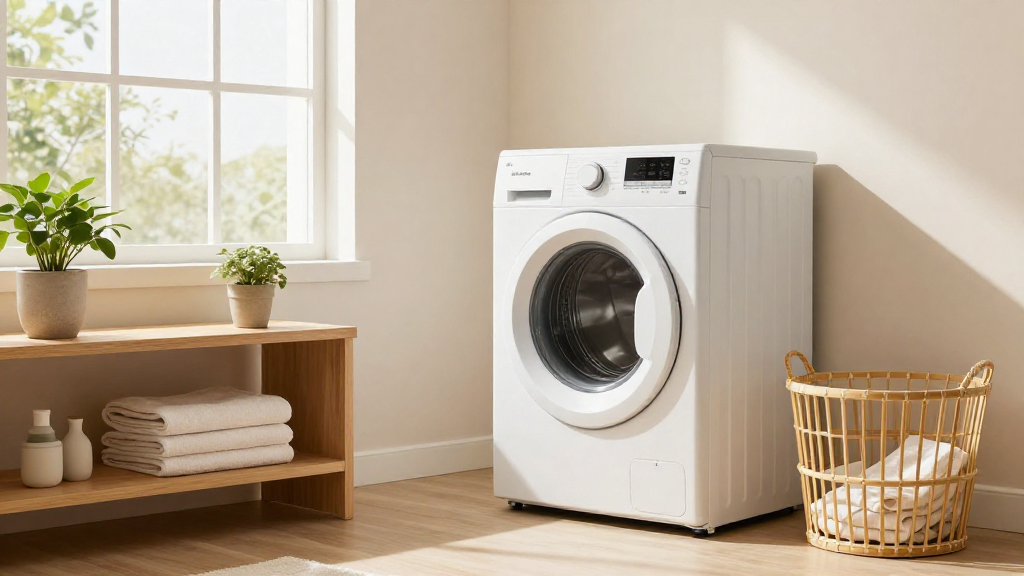
In today’s world, being environmentally conscious has become a necessity.
One simple way to contribute to a greener planet is by adopting eco laundry room tips into your everyday washing routine.
These tips not only promote sustainability but also enhance the efficiency of your laundry process.
Why Should You Consider Eco Laundry Room Tips?
Implementing eco laundry room tips helps reduce your carbon footprint and lowers your utility bills.
You might wonder, what exactly do these tips encompass?
They focus on minimizing water usage, reducing energy consumption, and utilizing eco-friendly products.
How Can You Save Water in Your Laundry Room?
Water conservation is an essential component of eco-friendly laundry practices.
Here are some simple eco laundry room tips to save water:
- Full Loads Only: Always wash full loads to maximize water usage.
- High-Efficiency Machines: Invest in high-efficiency washing machines which use less water per load.
- Use the Short Cycle: When clothes aren’t very dirty, opt for the short or quick wash cycles to conserve water.
Implementing these practices reduces the amount of water your home uses, promoting eco-friendliness.
Which Laundry Products Are Eco-Friendly?
Choosing eco-friendly laundry products also plays a crucial role.
What types of products should you consider?
- Biodegradable Detergents: Look for detergents that break down naturally and don’t contain harmful chemicals.
- DIY Solutions: Make your own laundry detergent using baking soda, vinegar, and essential oils.
- Opt for Concentrated Formulas: Concentrated products mean less packaging waste and require fewer materials.
By switching to sustainable products, you not only help the environment but also often find they are gentler on your skin.
How Can You Reduce Energy Consumption?
Energy efficiency is another vital aspect of your laundry practices.
Here are effective eco laundry room tips for reducing energy use:
- Wash in Cold Water: About 90% of the energy used during a wash cycle goes towards heating the water. Washing clothes in cold water can significantly save energy.
- Use Dryer Balls: Adding dryer balls can help absorb moisture and reduce drying time, thus saving energy.
- Air Dry: Whenever possible, hang your clothes to dry instead of using the dryer. Air drying is a natural energy saver.
Making these adjustments not only helps the environment but can also lead to substantial savings on your electricity bill.
Can You Minimize Chemical Exposure?
Addressing chemical exposure through eco-detective practices ensures you protect your health in addition to the planet.
Here’s how to minimize chemical exposure with eco laundry room tips:
- Fragrance-Free Products: Choose laundry detergents that are free from artificial fragrances which can cause allergies.
- Natural Fabric Softeners: Use white vinegar as a natural fabric softener. It softens fabrics without harsh chemicals.
Creating a healthier laundry environment makes the process safer for both you and your family.
How Can You Organize Your Laundry Room for Eco-Friendliness?
An organized laundry room promotes efficient use of resources and eco-friendly practices.
Consider these organization tips:
- Group Eco-Friendly Products: Keep all your eco-friendly supplies in one area, making it easier to use them.
- Install a Drying Rack: Include a drying rack to air-dry clothes conveniently.
- Label Containers: Clearly labeling your products and supplies reduces confusion and waste.
A well-organized laundry space enhances your ability to implement eco laundry room tips effectively.
How Do Eco Laundry Room Tips Benefit Your Wallet?
Saving money while being eco-conscious is a win-win situation.
Here’s how these tips can benefit your finances:
- Lower Utility Bills: By using water-efficient appliances and washing in cold water, you’ll notice a significant decrease in utility costs.
- Reduced Purchase Frequency: Eco-friendly products and practices often extend the lifespan of your clothing, meaning you won’t need to buy replacements as often.
- Minimal Equipment Upkeep: Eco-friendly practices can lead to less wear and tear on appliances, lowering repair and replacement costs.
Thus, embracing eco-friendly practices not only benefits the environment but also contributes positively to your finances.
Are There Additional Resources for Eco-Friendly Laundry?
Enhancing your knowledge can help you adopt better practices.
Here are some resources to consider:
- Books: Look for books on sustainable living and eco-friendly household practices.
- Online Forums: Join online communities focused on eco-friendly living for shared tips and experiences.
- Government Guidelines: Refer to local government resources on sustainability practices to stay updated.
By utilizing these resources, you can stay informed and inspired in your journey towards a greener laundry routine.
What is the Long-Term Impact of Implementing Eco Laundry Room Tips?
Adopting eco laundry room tips not only affects your immediate environment but also the planet’s future.
Over time, these small changes can lead to:
- Conservation: Reduced water and energy consumption contribute to the conservation of natural resources.
- Lower Pollution: Using eco-friendly products helps to decrease water pollution and chemical runoff into ecosystems.
Every action counts, and collectively, these practices can create a substantial positive impact on the environment.
Final Thoughts: How Can You Get Started?
Getting started with eco laundry room tips is easier than you might think.
Start small:
- Implement one or two changes this week, such as washing in cold water or switching to a biodegradable detergent.
As you become more comfortable, gradually integrate additional tips.
Implementing eco laundry room tips not only leads to a more sustainable lifestyle but also promotes a healthier environment for future generations.
By making responsible choices in your laundry room, you contribute to the global effort of sustainability—one wash at a time.