Keeping tabs on a well, cistern, or tank is easier when you can see problems early. A smart well water level sensor can help you catch low-water conditions, overflows, and pump issues before they become expensive repairs.
Below, we focus on practical options for homeowners and property managers who want dependable alerts, remote monitoring, and easier day-to-day water management.
Best 10 Smart Well Water Level Sensor Picks for 2026
Hub-Free Wi-Fi Monitor
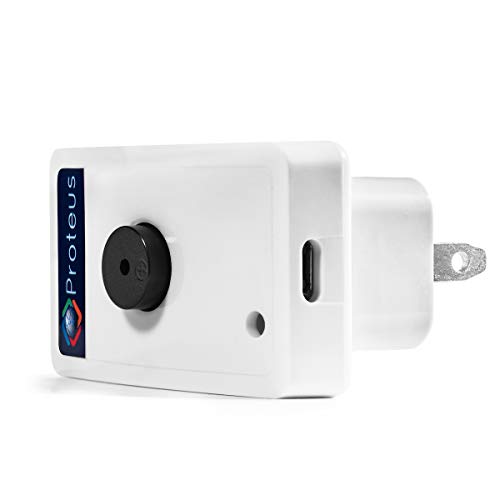
- No hub or gateway required
- Cloud view with email/text alerts on threshold changes
- Easy plug-in setup for tanks and sump pumps
Best For: Users who want simple Wi-Fi monitoring without extra hardware
Rugged Remote Monitor
PTLevel Wireless Tank Level Monitor

- Up to 1 km wireless range
- Weather-resistant for -40°C to 85°C operation
- No monthly fees with level history and graphs
Best For: Remote cisterns, wells, and tanks in harsh weather conditions
Simple Float Alarm
Water Level Alert with Float Sensor

- No app or hub required
- Free email and text alerts over WiFi
- Float ring flips for high- or low-level detection
Best For: Standalone high/low water alerts for tanks, ponds, and flood-prone spaces
Ultrasonic WiFi Tank Monitor
Smart TLC2206 Remote Liquid Level Sensor

- 10 cm to 3.0 m measuring range
- App alerts for full or low level
- Monitors up to 50 sensors
Best For: Remote tank monitoring with WiFi alerts
Battery WiFi Float Alarm
Risinglink Water Level Alert System

- No hub or monthly fee
- Sends SMS text and email alerts
- Battery powered with 10-foot cable
Best For: Simple water level alerts without subscriptions
Auto Pump Level Controller
NC01 Water Fill and Drain Switch

- Four modes for fill and drain control
- Works with 110V-120V pumps and valves
- Stainless steel detector with 6.5-foot wire
Best For: Automatic pump control for water tanks
Smart Remote Tank Monitor

- Ultrasonic sensing for 10 cm to 4 m tanks
- Tuya Smart Life app with custom alerts
- Supports up to 10 sensors in one setup
Best For: Home users wanting app-based tank monitoring and simple alerts
WiFi Level Watcher
Ultrasonic Tank and Bin Monitor

- Non-contact monitoring for water, grain, and more
- Tuya Smart Life app with remote alerts
- Waterproof outdoor-friendly design
Best For: Busy users who want phone-based tank or bin monitoring
Multi-Tank Alert Controller
TLC2206 WiFi Ultrasonic Sensor

- Monitors up to 100 sensors in one app
- IP67 waterproof with custom alerts
- Measures tanks from 10 cm to 3.0 m
Best For: Buyers needing multi-tank app monitoring and durable outdoor protection
Long-Range Smart Monitor – YoLink LoRa Smart Water Level Monitoring Sensor
If you want a smart well water level sensor that can do more than just trigger a basic alarm, this YoLink model stands out for its long-range LoRa connection and broad automation options. It is designed for high- or low-level detection in tanks, cisterns, ponds, rainwater drums, and similar setups, with app-based alerts and local sound built in.
Best For: Long-range monitoring of wells, cisterns, tanks, and other remote water containers where WiFi may not reach.
Pros:
- LoRa wireless range up to 1/4 mile open-air, useful for remote installations
- Battery-powered float switch design with easy DIY pendant-style mounting
- Can send app push, email, SMS, and trigger sirens, lights, or other YoLink actions
- Built-in 105dB sounder for local indoor alarm use
Cons:
- YoLink Hub is required and sold separately
- Some advanced automations depend on other YoLink devices
Overall, this is a strong pick if you want a flexible smart water level sensor for a remote tank or well-adjacent application and value long-range wireless coverage over direct WiFi simplicity.
Hub-Free Wi-Fi Monitor – Proteus L5 Water Level Sensor
Wi-Fi Water Level / Sump Monitor Sensor with Buzzer, email/ Text Alerts - Proteus L5
Check Price On AmazonThe Proteus L5 is a practical smart well water level sensor for users who want Wi-Fi monitoring without adding a hub or gateway. It tracks water or liquid level thresholds, shows live status in the cloud, and sends email or text alerts when the level goes above or below the set point.
Best For: Simple Wi-Fi tank or sump monitoring with app-based alerts and no extra hub.
Pros:
- No hub or gateway required
- Cloud-enabled with live monitoring and programmable high/low alerts
- Easy setup with a back-mount plug-in design
- Works for tank monitoring and basement sump pump water level detection
Cons:
- Not listed as smart home compatible
- Designed around Wi-Fi access, so remote installs need a stable network nearby
If you want a straightforward connected monitor for a tank, sump, or other water container, the L5 keeps the setup simple while still giving you threshold-based notifications and cloud visibility.
Rugged Remote Monitor – PTLevel Wireless Tank Level Monitor
For buyers looking for a smart well water level sensor that can handle remote tanks and demanding conditions, the PTLevel is built for long-distance monitoring and rugged outdoor use. It offers high and low notifications, online access, and a pressure-sensor-based design for cisterns, wells, sump systems, and chemical tanks.
Best For: Remote tank and cistern monitoring where weather resistance and long wireless range matter.
Pros:
- Up to 1 km wireless range for reliable connectivity
- Weather-resistant design with -40°C to 85°C operating range
- Battery powered with 4 AA batteries included and years of operation claimed
- No monthly fees and includes history/graphs for level tracking
Cons:
- Not smart home compatible
- Requires WiFi internet connectivity for remote monitoring
This is a good choice if your priority is durable, long-range level monitoring rather than home-automation integration. The included history tools also make it easier to watch usage patterns over time.
Simple Float Alarm – Water Level Alert with Float Sensor
This battery-powered smart well water level sensor is built for users who want a simple alert system with no app and no hub required. It uses your WiFi to send free email and text notifications when the float sensor detects a water level change, making it a straightforward choice for tanks, ponds, aquariums, and flood-prone areas.
Best For: Standalone high- or low-water alerts with easy float-sensor switching and free notifications.
Pros:
- No app and no hub required
- Free email and text message alerts
- Float ring can be flipped for high- or low-level detection
- Includes mounting bracket, 5 ft sensor wire, and rugged enclosure
Cons:
- Uses WiFi, so it still depends on a local network
- More basic than systems that offer automation or smart home integration
For buyers who mainly want reliable notification when a level changes, this is a practical low-complexity option. The included battery status in each message is a useful extra for maintenance planning.
Ultrasonic WiFi Tank Monitor – Smart TLC2206 Remote Liquid Level Sensor
If you need a smart well water level sensor for a tank, cistern, or other liquid reservoir, this WiFi monitor is built for remote level checks without opening the container. It uses an ultrasonic measuring range from 10 cm to 3.0 m, connects to a router over 2.4GHz WiFi, and sends full or low level alerts through the app.
Best For: Remote monitoring of water, oil, or fuel tanks where a top-mounted sensor and WiFi alerts are useful.
Pros:
- Measures liquid level from 10 cm to 3.0 m.
- App alerts for full or low level conditions.
- Can monitor up to 50 sensors in one app.
- IP67 waterproof construction with included power adapter.
Cons:
- Needs WiFi connection to a router to work.
- Requires wired power, so it is not battery powered.
- Designed for top mounting with drilling/threading installation.
Overall, this is a practical pick if you want a connected tank-level monitor that can cover multiple tanks from one app. Its strength is remote visibility and wide measuring range, rather than simple standalone alarm use.
Battery WiFi Float Alarm – Risinglink Water Level Alert System
This smart well water level sensor is aimed at people who want simple high or low water alerts without a hub or subscription. The battery-powered design uses a stainless steel float sensor with a 10-foot cable, and it sends direct SMS text and email notifications over 2.4GHz WiFi.
Best For: Simple alert-based monitoring for tanks, cisterns, sump pits, reservoirs, and pools.
Pros:
- No hub, app requirement, or monthly fee.
- Direct SMS text and email alerts, plus restore and low-battery notifications.
- Battery powered with 3 included AAA batteries.
- Stainless steel float sensor and IP65-rated controller enclosure.
Cons:
- Works only with 2.4GHz WiFi networks.
- Float-sensor design may be less flexible than non-contact options.
- Not designed for pump control or automatic fill/drain action.
This is a straightforward choice if you mainly want dependable alerts and easy installation. It stands out for text messaging, battery operation, and a design that avoids subscriptions.
Auto Pump Level Controller – NC01 Water Fill and Drain Switch
If you want a smart well water level sensor that can do more than alert, this controller is built to automate filling and draining. It supports four modes, works with 110V-120V equipment, and is intended for use with pumps, solenoid valves, and electric ball valves.
Best For: Automatic water supply and drainage control for tanks, ponds, reservoirs, and similar setups.
Pros:
- Four operating modes for supply, drain, lack-water stop, and joint use.
- Supports 110V-120V pumps and valves with 10A load current.
- Stainless steel detector with 6.5-foot wire for corrosion resistance.
- LCD display included for controller status.
Cons:
- Requires electrical knowledge before installation.
- Not a WiFi or app-based monitor.
- Detector cable is shorter than some remote-sensor setups.
This model is best when the goal is direct pump control instead of phone alerts. It is a functional automation tool for users comfortable wiring and configuring a hardwired controller.
Smart Remote Tank Monitor – Moray WiFi Water Level Sensor
If you need a smart well water level sensor that lets you check a tank without climbing up for a look, the Moray ME201W is built for straightforward remote monitoring. It uses ultrasonic sensing on top of the tank and sends level updates to the Tuya Smart Life app, with support for multiple sensors so you can manage more than one tank from the same system.
Best For: Homeowners or property managers who want app-based monitoring for water or oil tanks with simple alarm setup.
Pros:
- Ultrasonic, non-contact measurement for tanks from 10 cm to 4 m deep.
- Tuya Smart Life app support with full, low, and custom alarm notifications.
- Can monitor up to 10 sensors for multi-tank setups.
- IP65 waterproof housing with 2.4G WiFi connectivity.
Cons:
- Requires a wired power source.
- Limited to 2.4G WiFi rather than 5G networks.
Overall, this is a practical pick if you want a well water tank monitor that emphasizes easy installation, app alerts, and reliable outdoor durability. Its range and multi-tank support make it especially useful when you need one system to keep tabs on several storage tanks.
WiFi Level Watcher – Ultrasonic Tank and Bin Monitor
This smart well water level sensor is aimed at people who want real-time tank visibility without opening lids or checking by hand. Mounted on top, it tracks water, grain, or other stored contents through the Tuya Smart Life app, making it useful when you need quick status updates and low-level warnings from anywhere.
Best For: Busy homeowners, farm operators, or greenhouse users who want remote level checks and alerts for tanks or bins.
Pros:
- Non-contact ultrasonic monitoring for tanks and grain bins.
- Remote viewing and alerts through Tuya Smart and Smart Life apps.
- Supports high and low alerts so you can react before overflow or shortage.
- Built for outdoor use with waterproof construction.
Cons:
- Maximum range is listed at 3 meters.
- Requires wired power and WiFi connectivity.
For users who want a simple way to keep an eye on stored water or feed, this model focuses on convenience and peace of mind. It is a strong fit if your priority is checking levels from your phone and setting alerts that reduce daily manual inspection.
Multi-Tank Alert Controller – TLC2206 WiFi Ultrasonic Sensor
If you are shopping for a smart well water level sensor that can cover more than one storage point, the TLC2206 is built around remote app monitoring and alarm control. It installs on top of the tank, measures from 10 cm to 3.0 m, and can send level updates and alerts through the Tuya Smart Life app.
Best For: Users who want a wired, app-controlled ultrasonic monitor for water, oil, or fuel tanks with multi-sensor support.
Pros:
- Supports monitoring of up to 100 sensors in one app.
- Remote full and low level alerts with custom alarm settings.
- IP67 waterproof design with operating range from -10°C to +70°C.
- Tank-top installation with a wired adapter power supply.
Cons:
- Maximum measuring range is 3.0 m, less than some larger-tank options.
- Requires a router connection for WiFi operation.
This model stands out when you need centralized monitoring across many tanks and value a durable enclosure for outdoor conditions. It is best suited to buyers who want dependable app alerts more than a battery-powered or handheld solution.
How We Picked These Smart Well Water Level Sensor Options
We prioritized real-world usefulness over gimmicks. The best picks offer clear alert methods, stable connectivity, suitable sensing styles for different tanks and wells, and enough flexibility for home or light commercial use. We also looked for models that balance ease of setup with useful features like app access, text/email alerts, battery backup, or pump control.
Quick Comparison
Some models are better for simple high/low alerts, while others are built for continuous remote monitoring or automated pump control. Float-based sensors tend to be straightforward and reliable for direct water contact, while ultrasonic and contactless options are better when you want to avoid putting a probe in the liquid. Wi-Fi and app-enabled units are ideal for users who want phone-based monitoring, while LoRa or long-range wireless systems can be a better fit for larger properties.
Key Buying Factors for a Smart Well Water Level Sensor
Sensing Method
Choose the sensing style that matches your setup. Float sensors are often the simplest for wells, tanks, and sumps. Contactless ultrasonic sensors work well when you want non-invasive measurement, but they may be more sensitive to tank shape, foam, or condensation.
Connectivity and Alerts
If you need instant notifications, look for Wi-Fi, text, or email alert support. If your well equipment sits far from the house, make sure the wireless range or network compatibility fits the property layout.
Power and Backup
Battery-powered sensors are useful for quick installation and outage protection. Hardwired or pump-controller setups are better when you want continuous operation or direct automation. For any Smart Well Water Level Sensor, check how it behaves during power loss and whether it resumes monitoring automatically.
Control Features
Some units only warn you when water is too high or too low. Others can trigger a relay or pump control action. If your goal is prevention and automation, a controller-style model may be the better choice than a basic alarm.
Who Should Buy Which Smart Well Water Level Sensor?
Homeowners who want simple peace of mind should start with a battery-powered alarm sensor or a Wi-Fi float-based model. Buyers managing cisterns, tanks, or remote properties may prefer long-range wireless or app-based monitoring. If you want to automate fill cycles or protect a pump from dry running, choose a controller with relay output. For users who need minimal intrusion into the tank, a contactless ultrasonic option is often the best fit.
In short, the right Smart Well Water Level Sensor depends on your tank type, distance to the monitoring point, and whether you need alerts only or full control.