Starting seeds indoors is easier when your trays fit the space, plants, and watering routine you already use. The best compact seed starting trays make efficient use of windowsills and shelves while giving seedlings enough room to develop strong roots.
We’ve selected 10 options ranging from simple cell inserts to reusable kits with humidity domes, self-watering features, and grow-light compatibility. Use the guide below to compare capacity, drainage, durability, and day-to-day convenience before buying.
Best 10 Compact Seed Starting Trays Picks for 2026
Best Reusable Pick

- Flexible silicone cells support gentle transplanting
- Watering channels help manage excess moisture
- Reusable and top-shelf dishwasher safe
Best For: Gardeners prioritizing reusable construction and easier transplanting
Best Complete Multi-Pack

- Ten 12-cell trays provide 120 total cells
- Clear domes include adjustable ventilation
- Planting and transplanting tools are included
Best For: Indoor gardeners starting several small batches at once
Best Clear Tray Value

- Twelve trays provide 144 total cells
- Clear plastic makes roots easier to monitor
- Drainage holes and plant labels are included
Best For: Gardeners needing many basic trays for indoor starting
Best Propagator Kit
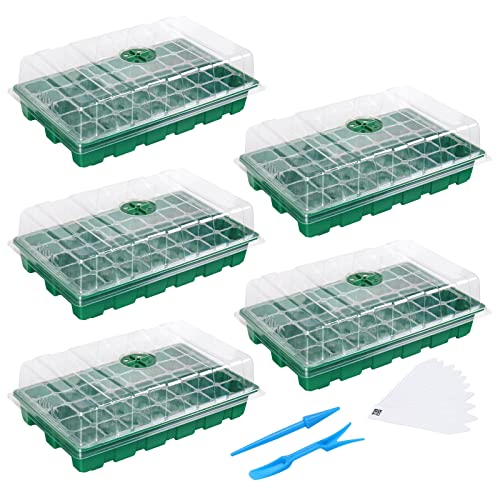
- Five kits provide 200 small cells
- Adjustable vents support humidity control
- Includes domes, tools, trays, and labels
Best For: Gardeners wanting a complete mini-greenhouse setup
High-Volume Compact Seed Starting Trays
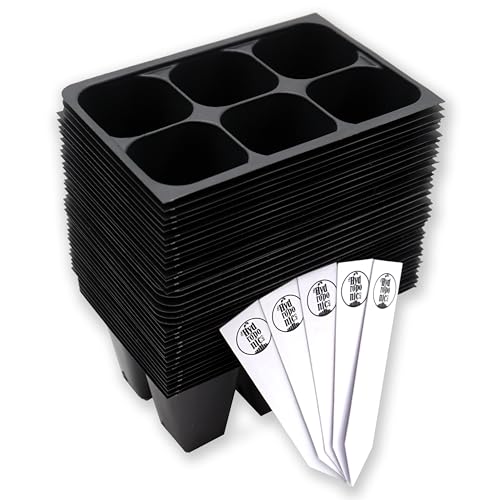
- 36 six-cell trays provide 216 growing cells
- Deep cells support healthy root development
- Includes drainage slits and five plant stakes
Best For: Large batches of flowers, herbs, succulents, or vegetables
Controlled-Climate Compact Seed Starting Trays
MIXC 120-Cell Humidity Dome Kit

- Ten 12-cell trays provide 120 growing cells
- Humidity domes include adjustable vents
- Comes with base trays and plant labels
Best For: Portable, humidity-controlled seed starting indoors or outdoors
Reusable Compact Seed Starting Trays
Gardzen 30-Pack Six-Cell Trays
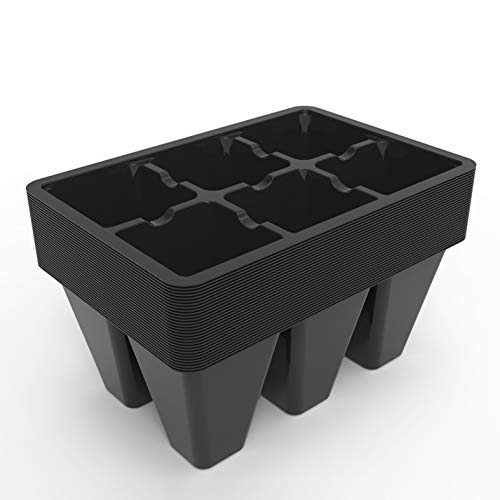
- 30 trays offer 180 total growing cells
- Deep cells support developing roots
- Drainage holes and guide channels aid watering
Best For: Small-batch, repeat seed starting for flowers, vegetables, and herbs
Best for Large Seeds
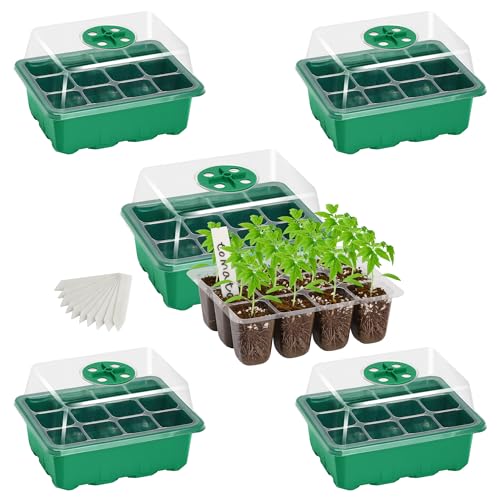
- 60 total cells across five compact trays
- 1.5-inch cells fit larger seeds
- Includes domes, bases, vents, and labels
Best For: Indoor starts of tomatoes, peppers, eggplants, potatoes, and similar large-seed crops
Best for Windowsills

- Eight extra-large flexible silicone cells
- Narrow 11.5-inch windowsill-friendly design
- Dishwasher safe and designed for reuse
Best For: Small indoor batches of herbs, flowers, and vegetables
Best All-in-One Setup
60-Cell Self-Watering Tray with Light

- 60 cells with self-watering support
- Includes dome, vents, mat, stand, and labels
- Two LED strips have brightness and timer controls
Best For: Beginners growing many seedlings indoors without relying on a sunny window
Best Reusable Pick – Burpee SuperSeed 36-Cell Tray
For gardeners who want compact seed starting trays they can use season after season, the Burpee SuperSeed combines flexible silicone cells with a built-in watering design. Its 36-cell layout is sized for starting herbs, flowers, and vegetables indoors.
Best For: Gardeners prioritizing reusable construction and easier transplanting.
Pros:
- Flexible food-grade silicone cells pop seedlings out with less root disturbance.
- Corner drainage slots and watering-tray channels help manage excess water.
- Alphanumeric rows and the included Plant-o-Gram help identify seedlings.
- Top-shelf dishwasher safe for easier cleaning.
Cons:
- With 36 cells, it provides less total capacity than the multi-pack options.
- The tray does not list a humidity dome among the included components.
The Burpee is a strong choice when long-term reuse and gentle removal matter more than maximum cell count. Its flexible cells and organized labeling make it particularly practical for careful indoor seed starting.
Best Complete Multi-Pack – Mr. Pen 120-Cell Starter Kits
The Mr. Pen kit is a practical option for compact seed starting trays when you need multiple small growing units. It includes ten 12-cell trays, clear moisture-retaining domes with adjustable vents, and basic planting tools.
Best For: Indoor gardeners starting several small batches of seedlings at once.
Pros:
- Ten trays provide 120 cells in total for staggered or varied plantings.
- Clear dome lids help retain moisture while adjustable vents provide ventilation.
- Drain holes in each cell help reduce the risk of overwatering.
- Includes a shovel and scoop for planting and transplanting.
Cons:
- The individual 12-cell trays offer less room per unit than a larger single tray.
- The plastic construction is less flexible than the silicone cells in the Burpee tray.
Choose this set if coverage and humidity control are the priorities. The individual trays are easy to distribute across a growing area, while the included tools make the kit ready for basic planting tasks.
Best Clear Tray Value – 12-Pack 144-Cell Inserts
These compact seed starting trays are a straightforward choice for gardeners who want high capacity in a set of small inserts. The 12-pack supplies 144 cells, with clear plastic that makes it easier to observe developing roots and seedlings.
Best For: Gardeners who want many basic trays for organized indoor seed starting.
Pros:
- Twelve 12-cell trays provide 144 cells for a range of plantings.
- Clear material allows root development to be monitored without disturbing seedlings.
- Drainage holes help prevent excess water from collecting around roots.
- Includes ten plant labels for identifying seedlings.
Cons:
- The set does not list humidity domes or planting tools among the included components.
- The plastic inserts have less transplanting flexibility than silicone cells.
This set focuses on quantity and visibility rather than an all-in-one propagation system. It suits gardeners who already have their own domes, tools, or watering setup and need many simple cell trays.
Best Propagator Kit – MIXC 40-Cell Mini Greenhouse
For a more controlled setup, the MIXC kit pairs compact seed starting trays with humidity domes and adjustable vents. Five 40-cell kits include bottom trays, tools, and labels, while stackable bottoms help conserve space before germination.
Best For: Gardeners who want humidity control and a complete mini-greenhouse setup.
Pros:
- Five kits provide 200 small cells for starting many seeds.
- Adjustable dome vents help regulate humidity and temperature.
- Transparent plastic makes it easier to observe seedlings as they develop.
- Includes bottom trays, garden tools, and ten plant labels; bottoms can be stacked to save space.
Cons:
- The 1.5-by-1.5-by-2-inch cells are intended for small seeds.
- The kit occupies more vertical space when domes are in place.
The MIXC is the most propagation-focused option in this group. Its domes and vents are useful when maintaining a humid environment is important, while the included accessories reduce the need to assemble a separate setup.
High-Volume Compact Seed Starting Trays – 216-Cell Seedling Tray Set
For gardeners who need many compact seed starting trays without taking up the space of full-size inserts, this 36-pack provides 216 cells in a space-efficient format. Each six-cell tray has deep 1.5-inch-square cells, drainage slits, and included stakes for organized seedling care.
Best For: Starting large quantities of flowers, herbs, succulents, or vegetables in a compact tabletop setup.
Pros:
- Includes 36 six-cell trays, totaling 216 individual cells.
- Deep 2.25-inch cells support developing root systems.
- Drainage slits help manage excess water.
- Includes five plant stakes for labeling and organization.
Cons:
- Does not include humidity domes or watertight base trays.
- The small six-cell format requires handling multiple trays.
This set is a practical choice when cell quantity and compact organization matter most. Its reusable plastic construction and included labeling stakes add value for repeated seed-starting projects.
Controlled-Climate Compact Seed Starting Trays – MIXC 120-Cell Humidity Dome Kit
This MIXC kit combines compact seed starting trays with clear humidity domes, watertight base trays, labels, and adjustable vents. The 10-pack creates individual mini-greenhouse environments, making it useful when humidity and temperature control are priorities.
Best For: Gardeners who want a complete, portable seed-starting setup with humidity control for indoor or outdoor use.
Pros:
- Includes 10 trays with 12 cells each, plus domes and base trays.
- Adjustable vents help regulate humidity and temperature.
- Drainage holes reduce the risk of overwatering and root rot.
- Includes 10 plant labels and reusable plastic construction.
Cons:
- The complete kit takes more vertical space because of the domes.
- Its 12-cell trays provide fewer cells per unit than larger-format inserts.
Choose this kit if you prefer an all-in-one approach instead of sourcing covers and trays separately. The adjustable vents and individual domes provide more environmental control than open trays.
Reusable Compact Seed Starting Trays – Gardzen 30-Pack Six-Cell Trays
The Gardzen 30-pack offers compact seed starting trays with six deep cells per tray, making it easy to separate small batches of seedlings. Drainage holes and top guide channels help distribute water, while the reusable plastic construction suits repeat growing seasons.
Best For: Gardeners starting smaller batches of flowers, vegetables, or herbs and wanting simple reusable trays.
Pros:
- Includes 30 trays with six cells each.
- Each cell is approximately 1.5 inches square and 2.2 inches deep.
- Drainage holes help prevent overwatering.
- Top guide channels help water reach each cell.
Cons:
- No humidity domes, base trays, or labels are included.
- Six-cell trays may require more individual handling for larger projects.
This is a straightforward option for growers who already have their own watering and humidity accessories. Its compact footprint, deep cells, and washable plastic design make it well suited to repeated small-batch propagation.
Best for Large Seeds – 5-Pack 12-Cell Trays
For gardeners comparing compact seed starting trays, this five-pack offers 60 total cells in a space-conscious format. The 1.5-inch square cells suit larger seeds, while the clear domes and adjustable vents make it easier to monitor and regulate the growing environment.
Best For: Starting larger vegetable seeds such as tomatoes, peppers, eggplants, and potatoes indoors.
Pros:
- Includes five 12-cell trays, watertight bases, humidity domes, and plant labels.
- Clear plastic construction allows seedlings to be observed without removing the dome.
- Adjustable vents provide control over humidity and airflow.
- Designed to withstand use on a heat mat.
Cons:
- The 12-cell layout is less suited to gardeners starting many small seeds at once.
- Indoor use is the listed application, so outdoor durability is not established.
This kit is a practical choice when you want multiple compact trays and extra room for large seedlings. Its included bases and domes make it a more complete setup than a tray-only option.
Best for Windowsills – Burpee SuperSeed 8-Cell Tray
This Burpee tray is a compact seed starting tray designed for a windowsill. Its eight extra-large silicone cells, narrow 11.5-inch profile, and flexible construction make it convenient for small indoor growing spaces and simpler transplanting.
Best For: Windowsill gardeners starting a small batch of herbs, flowers, or vegetables.
Pros:
- Eight extra-large cells provide room for developing seedlings.
- Flexible food-grade silicone cells pop out to help reduce transplanting stress.
- Drainage slots, soil aeration, and deep watering-tray channels support moisture management.
- Top-shelf dishwasher safe for easier cleaning and reuse.
Cons:
- With only eight cells, it offers less capacity than multi-tray kits.
- No humidity dome or grow light is listed among the included components.
Choose this model if easy handling and a small footprint matter more than maximum capacity. The pop-out cells and dishwasher-safe design are especially useful for gardeners who plan to reuse their tray.
Best All-in-One Setup – 60-Cell Self-Watering Tray with Light
Among compact seed starting trays, this 60-cell kit is the most complete option for indoor growing. It combines a self-watering system, adjustable humidity vents, a tall dome, and two LED light strips in one setup, though its 16.6-by-11-inch footprint needs more space than a basic tray.
Best For: Beginners who want a large-capacity indoor seed-starting system with integrated lighting and moisture support.
Pros:
- Includes 60 cells, a base tray, capillary mat, support stand, dome, vents, labels, and gardening tools.
- Two LED strips offer adjustable brightness and timer functions.
- Self-watering design helps maintain consistent moisture and includes safeguards against overwatering or drying out.
- Adjustable vents and enlarged drainage holes support airflow and excess-water removal.
Cons:
- Its 16.6-by-11-inch size requires more indoor surface area than smaller starter trays.
- The included grow-light system adds components and setup complexity compared with a basic tray.
- Only one 60-cell tray is included.
This is a strong fit when you want to consolidate lighting, humidity, and watering into one indoor station. It is less compelling for minimal setups or very limited windowsill space.
How We Picked These Compact Seed Starting Trays
We focused on tray size, cell configuration, drainage, included accessories, reusability, and suitability for indoor growing. The selection includes compact kits for beginners, high-cell-count options for starting many plants, and sturdier reusable trays for gardeners who want equipment that can last across multiple seasons.
Because growing conditions vary, we also considered whether each design works well with humidity domes, bottom watering, windowsill growing, shelving, or supplemental grow lights. A large cell count is not automatically better: smaller cells save space, while larger cells reduce how quickly seedlings become root-bound.
Quick Comparison
| Best For | Look For | Typical Configuration |
|---|---|---|
| Small windowsills | Short, narrow footprint | 6–12 cells |
| Many seedlings | High cell count and stackable design | 36–216 cells |
| Beginners | Base tray, dome, and labels | Complete starter kit |
| Repeat use | Thick, washable plastic | Reusable trays |
| Moisture-sensitive seeds | Humidity dome and controlled ventilation | Covered propagator |
Key Buying Factors for Compact Seed Starting Trays
Footprint and Cell Size
Measure the shelf, windowsill, or grow-light area before ordering. Narrow trays are useful where width is limited, while deeper or larger cells are better for tomatoes, peppers, and other seedlings that remain indoors for several weeks. Small cells work well for quick-growing flowers and greens but may require earlier transplanting.
Drainage and Water Control
Drainage holes help prevent saturated soil and root problems. A solid base tray makes bottom watering easier and protects furniture, but it should not leave cells sitting in standing water for long periods. Self-watering designs can reduce daily maintenance, though they still need monitoring.
Humidity Domes and Ventilation
A clear dome holds moisture during germination and can improve consistency for seeds that dislike drying out. Adjustable vents are especially useful because the dome should be removed or opened as seedlings emerge to reduce condensation and fungal disease.
Durability and Cleanup
If you plan to reuse a tray, choose sturdy plastic that will not flex or crack when filled. Wash and disinfect trays between crops, particularly if previous seedlings showed signs of damping-off. Dishwasher-safe construction can simplify cleanup when the manufacturer permits it.
Who Should Buy Which Compact Seed Starting Trays?
Choose a Small Multi-Cell Kit for Limited Space
Gardeners with a narrow windowsill or a few seed varieties should choose a compact six- or 12-cell kit. These setups are easier to position and do not commit valuable indoor space to more seedlings than needed.
Choose a High-Capacity Tray for Batch Starting
If you start vegetables or flowers in quantity, a 36-cell or larger system offers better efficiency. Confirm that your grow light can cover the entire tray evenly, and consider staggered sowing if seedlings mature at different rates.
Choose a Dome Kit for Beginners
New indoor growers will generally benefit from a kit that includes a base, inserts, and humidity dome. Fewer separate parts make it easier to establish consistent moisture from sowing through germination.
Choose Reusable Construction for Seasonal Gardeners
Anyone who starts seeds every year should prioritize thick, washable trays over the lowest upfront price. A durable reusable model can provide better value, provided it is cleaned thoroughly and stored without warping.